




What is the role of walking in preventing blood clots in legs?
 Aug 19, 2025|
 Walking is a simple yet powerful activity that plays a crucial role in preventing blood clots in the legs. As a supplier of products under the brand PREVENT BLOOD CLOTS LEGS, I have witnessed firsthand the significance of this natural form of exercise in maintaining good vascular health. In this blog, I will explore the various ways walking helps prevent blood clots, the science behind it, and how our products can complement this preventive measure.
The Problem of Blood Clots in the Legs
Blood clots in the legs, also known as deep vein thrombosis (DVT), occur when blood thickens and clumps together in the deep veins of the legs. This can be a serious medical condition as the clot can break loose and travel to the lungs, causing a pulmonary embolism, which can be life - threatening. Several factors increase the risk of DVT, including prolonged immobility (such as during long - haul flights, bed rest after surgery), obesity, smoking, advanced age, and certain medical conditions like cancer and heart disease.
How Walking Prevents Blood Clots
Improved Blood Circulation
One of the primary ways walking prevents blood clots is by improving blood circulation in the legs. When we walk, the muscles in our legs contract and relax. These muscle contractions act like a pump, squeezing the veins and pushing blood back towards the heart. This constant movement of blood helps prevent blood from pooling in the veins, which is a major risk factor for clot formation.
Imagine the veins in our legs as pipes. If the fluid (blood) in these pipes doesn't flow properly, it can start to stagnate and form clumps. Walking keeps the blood flowing smoothly through these "pipes," reducing the likelihood of clot formation.

Activation of the Calf Muscle Pump
The calf muscles play a particularly important role in blood circulation. When we take a step, the calf muscles contract, and this contraction forces blood out of the veins in the calves and towards the heart. As the calf muscles relax, new blood flows into the veins. This mechanism, known as the calf muscle pump, is essential for maintaining proper blood flow in the lower extremities.
Regular walking ensures that the calf muscle pump is constantly activated. Even short walks throughout the day can make a significant difference in blood flow. For example, taking a 10 - minute walk every hour can help keep the blood moving and reduce the risk of blood clots.
Reduction of Inflammation
Inflammation in the blood vessels can also contribute to clot formation. Walking has anti - inflammatory effects on the body. When we exercise, our body releases certain chemicals that help reduce inflammation. These anti - inflammatory substances can prevent the blood vessels from becoming irritated and damaged, which in turn reduces the risk of clotting.
Moreover, walking helps maintain a healthy weight. Obesity is associated with chronic low - grade inflammation in the body, which can increase the risk of blood clots. By helping to control weight, walking indirectly reduces this inflammatory risk factor.
The Science Behind Walking and Blood Clot Prevention
Numerous scientific studies have supported the link between walking and blood clot prevention. A study published in the American Journal of Preventive Medicine found that individuals who engaged in regular physical activity, including walking, had a lower risk of developing DVT compared to those who were sedentary.
The mechanics of blood flow during walking have been well - studied. Researchers have used advanced imaging techniques to observe how blood moves through the veins in the legs during different types of movement. These studies have confirmed that walking significantly enhances blood flow velocity and reduces the time blood spends in the veins, both of which are important factors in preventing clot formation.
Complementary Products for Blood Clot Prevention
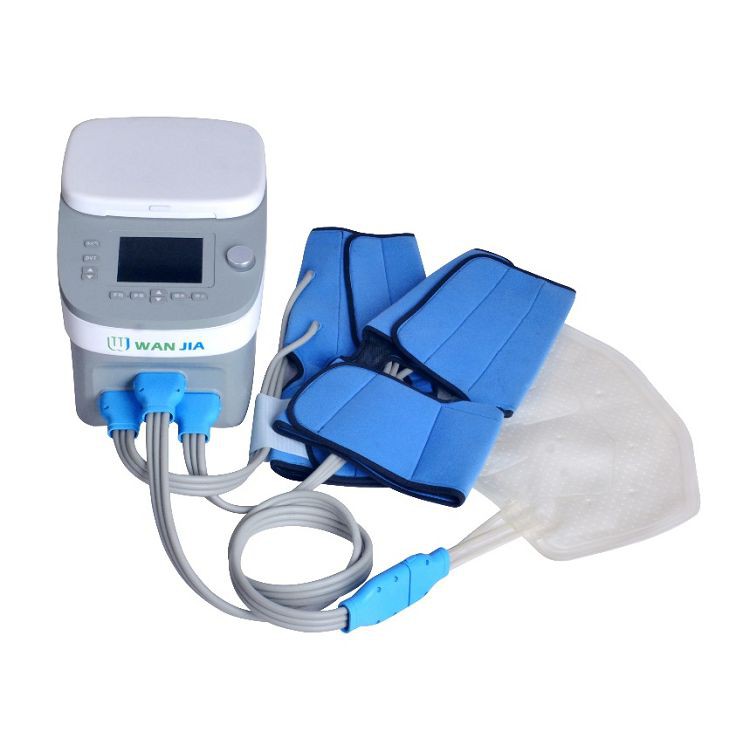
While walking is a highly effective way to prevent blood clots, our products at PREVENT BLOOD CLOTS LEGS can provide additional support. Our devices are designed to mimic the effects of walking and improve blood circulation in the legs.
For example, our DVT and Cold Therapy Compression Unit [/cold-therapy-system/dvt-prevention-device/dvt-and-cold-therapy-compression-unit.html] combines compression therapy with cold therapy. Compression therapy works by applying pressure to the legs, which helps improve blood flow, similar to the way walking does. Cold therapy, on the other hand, can reduce swelling and inflammation in the legs, further reducing the risk of clot formation.
Our Deep Vein Thrombosis Unit [/cold-therapy-system/dvt-prevention-device/deep-vein-thrombosis-unit.html] is another product that can be used in conjunction with walking. This unit uses advanced technology to provide targeted compression to the deep veins in the legs, ensuring optimal blood flow and clot prevention.
If you are interested in comparing different DVT prevention devices, you can visit our DVT Pump Comparison page [/cold-therapy-system/dvt-prevention-device/dvt-pump-comparison.html]. This page provides detailed information about the features and benefits of our various products, allowing you to make an informed decision.
Incorporating Walking into Daily Life
Making walking a part of your daily routine doesn't have to be difficult. Here are some tips to help you get started:
- Take the Stairs: Instead of using the elevator, take the stairs whenever possible. This simple change can add a few extra minutes of walking to your day.
- Walk to Work or Errands: If your workplace or local stores are within a reasonable distance, consider walking instead of driving. This not only helps prevent blood clots but also reduces your carbon footprint.
- Set Reminders: Use your phone or a smartwatch to set reminders to take short walks throughout the day. For example, set a reminder to take a 5 - minute walk every half - hour if you have a sedentary job.
Conclusion
Walking is a natural, cost - effective, and accessible way to prevent blood clots in the legs. By improving blood circulation, activating the calf muscle pump, and reducing inflammation, walking significantly reduces the risk of DVT.
At PREVENT BLOOD CLOTS LEGS, we are committed to providing high - quality products that complement the benefits of walking. Our devices are designed to enhance blood flow and further reduce the risk of blood clots.
If you are interested in learning more about our products or discussing how they can be incorporated into your blood clot prevention strategy, we encourage you to reach out to us. We are always happy to have a conversation with you and help you find the best solutions for your needs.
References
- American Journal of Preventive Medicine, "Physical Activity and the Risk of Deep Vein Thrombosis"
- Various scientific studies on blood flow mechanics during walking and the role of exercise in reducing inflammation.