




What are the prevention tips for blood clots in legs for post - menopausal women?
 May 19, 2025|
 Blood clots in the legs, particularly deep vein thrombosis (DVT), pose a significant health risk, especially for post-menopausal women. After menopause, hormonal changes can increase the likelihood of developing blood clots, making prevention crucial. As a supplier of PREVENT BLOOD CLOTS LEGS products, I'm here to share some essential prevention tips and introduce our effective solutions.
Understanding the Risk of Blood Clots in Post - Menopausal Women
Post-menopausal women experience a decline in estrogen levels. Estrogen has a role in maintaining the health of blood vessels and regulating blood clotting factors. When estrogen levels drop, the balance of these factors can be disrupted, leading to an increased risk of blood clots. Additionally, other factors such as age, obesity, a sedentary lifestyle, and certain medical conditions like high blood pressure and diabetes can further elevate this risk.
Lifestyle Modifications for Prevention
Regular Physical Activity
One of the most effective ways to prevent blood clots is through regular physical activity. Exercise helps improve blood circulation in the legs. Simple activities like walking, swimming, or cycling can make a significant difference. Aim for at least 30 minutes of moderate - intensity exercise most days of the week. When sitting for long periods, such as during a long - haul flight or a day at the office, take breaks every hour to stand up, stretch, and walk around. This helps prevent blood from pooling in the legs, which can lead to clot formation.

Maintain a Healthy Weight
Obesity is a risk factor for blood clots. Excess weight puts additional pressure on the veins in the legs, making it harder for blood to flow properly. By maintaining a healthy weight through a balanced diet and regular exercise, post - menopausal women can reduce their risk of developing blood clots. A diet rich in fruits, vegetables, whole grains, and lean proteins, while low in saturated and trans fats, can help manage weight and improve overall vascular health.
Quit Smoking
Smoking damages the blood vessels and increases the risk of blood clots. The chemicals in cigarettes can cause the blood to become stickier and more likely to clot. Quitting smoking not only reduces the risk of blood clots but also has numerous other health benefits, such as improving lung function and reducing the risk of heart disease and cancer.
Medical Approaches to Prevention
Compression Therapy
Compression therapy is a widely used method to prevent blood clots in the legs. Compression stockings or devices apply pressure to the legs, helping to improve blood flow and prevent blood from pooling. Our DVT Compression Unit is a state - of - the - art product that provides targeted compression to the legs. It is designed to mimic the natural muscle contractions in the legs, promoting blood circulation and reducing the risk of clot formation.

Medication
In some cases, doctors may prescribe blood - thinning medications, such as anticoagulants, to post - menopausal women at high risk of blood clots. These medications work by preventing the blood from clotting easily. However, they also come with potential side effects, such as an increased risk of bleeding. Therefore, it is essential to work closely with a healthcare provider when taking these medications.
Regular Health Check - Ups
Post - menopausal women should have regular health check - ups to monitor their risk factors for blood clots. This includes checking blood pressure, cholesterol levels, and blood sugar. Early detection of any underlying medical conditions can help in implementing appropriate preventive measures.
Our Products for Blood Clot Prevention
We offer a range of products designed specifically for preventing blood clots in the legs. Our DVT Prevention Unit is a comprehensive solution that combines compression therapy with advanced technology. It is easy to use and can be adjusted to provide the optimal level of compression for each individual.
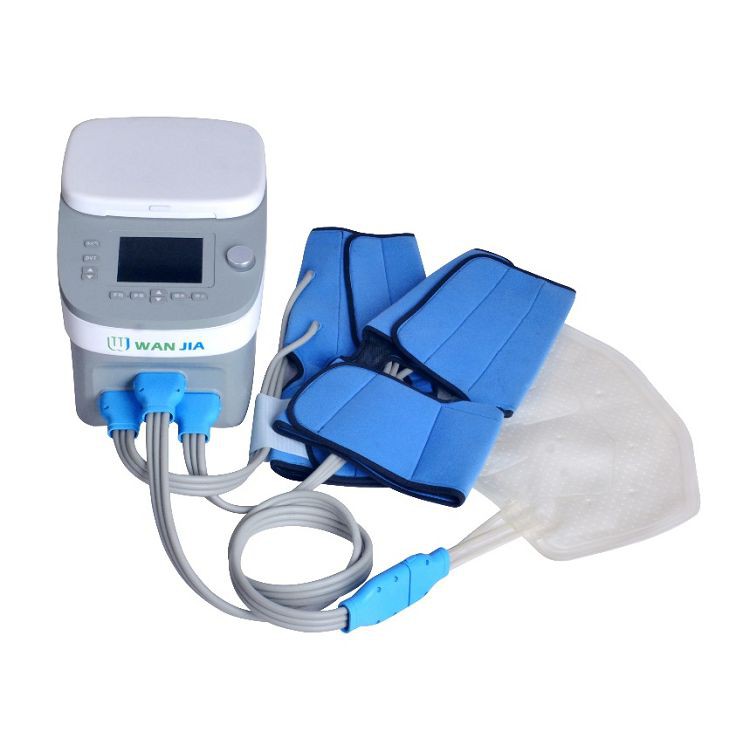
If you are unsure which product is right for you, our DVT Pump Comparison page can help. It provides detailed information about the features and benefits of different DVT pumps, allowing you to make an informed decision.
Conclusion
Preventing blood clots in the legs is of utmost importance for post - menopausal women. By making lifestyle modifications, considering medical approaches, and using our effective prevention products, women can significantly reduce their risk of developing blood clots. If you are interested in learning more about our PREVENT BLOOD CLOTS LEGS products or would like to discuss a potential purchase, please reach out to us. We are committed to helping you maintain good vascular health and prevent the occurrence of blood clots.

References
- American Heart Association. "Deep Vein Thrombosis (DVT) and Pulmonary Embolism (PE)".
- Mayo Clinic. "Blood clots - Symptoms and causes".
- National Institute of Aging. "Healthy Aging for Women".