




What are the maintenance requirements for a DVT Prevention Unit?
 Jun 20, 2025|
 Deep Vein Thrombosis (DVT) is a serious medical condition where blood clots form in the deep veins, typically in the legs. DVT Prevention Units are crucial medical devices designed to reduce the risk of DVT by improving blood circulation. As a supplier of DVT Prevention Units, understanding and communicating the maintenance requirements of these devices is essential for ensuring their effectiveness and longevity.
Regular Inspection
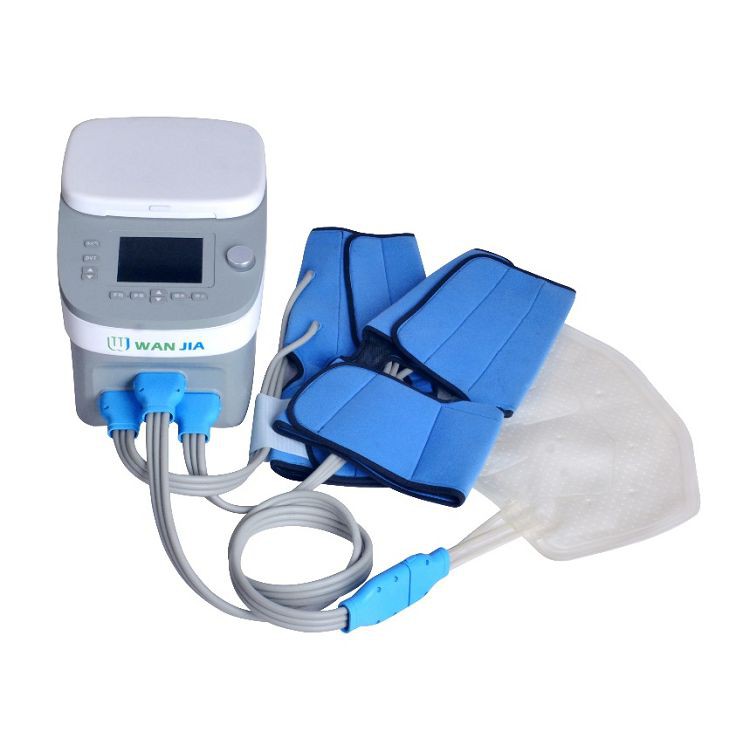
Regular inspection is the cornerstone of maintaining a DVT Prevention Unit. This process should be carried out at least once a week, or more frequently if the device is used intensively. The inspection begins with a visual check of the external components. Look for any signs of physical damage such as cracks, dents, or loose parts on the main unit. The power cord should be inspected for fraying or exposed wires, which can pose a significant safety hazard. Any damaged cords should be replaced immediately.
The air hoses, which are responsible for delivering pressure to the leg cuffs, are also critical components to inspect. Check for any signs of leaks, kinks, or blockages. A leak in the air hose can reduce the effectiveness of the device, as it may not be able to deliver the required pressure to the legs. To check for leaks, you can apply a soapy water solution to the hoses and look for bubbles. If a leak is detected, the hose should be replaced.
The leg cuffs should be examined for wear and tear. Check the fabric for any signs of ripping or tearing, and ensure that the Velcro closures are in good working condition. If the cuffs are damaged, they may not fit properly on the patient's legs, which can affect the device's performance. In some cases, it may be possible to repair minor damage to the cuffs, but if the damage is extensive, they should be replaced.
Cleaning and Sanitization
Proper cleaning and sanitization are essential for preventing the spread of infection and ensuring the safe use of DVT Prevention Units. The frequency of cleaning depends on the usage of the device. For devices used in a hospital or clinical setting, they should be cleaned after each use. For home use, a weekly cleaning schedule is usually sufficient.
The main unit of the DVT Prevention Unit can be cleaned with a damp cloth and a mild detergent. Avoid using abrasive cleaners or solvents, as they can damage the device's surface. After cleaning, dry the unit thoroughly to prevent moisture from getting inside the device.
The leg cuffs can be removed from the device and washed according to the manufacturer's instructions. Most cuffs can be machine washed on a gentle cycle with a mild detergent. However, it is important to check the manufacturer's guidelines, as some cuffs may require hand washing. After washing, the cuffs should be dried completely before being reused.
In addition to regular cleaning, the device should be sanitized periodically. This can be done using a disinfectant solution recommended by the manufacturer. Apply the disinfectant to the main unit, air hoses, and leg cuffs, and allow it to sit for the recommended amount of time before wiping it off. Make sure to follow the instructions on the disinfectant carefully to ensure proper sanitization.
Filter Replacement
Many DVT Prevention Units are equipped with filters to prevent dust and debris from entering the device. These filters should be replaced regularly to ensure the proper functioning of the device. The frequency of filter replacement depends on the manufacturer's recommendations and the environment in which the device is used. In a dusty environment, the filters may need to be replaced more frequently.
To replace the filter, first, locate the filter compartment on the main unit. This is usually indicated in the device's user manual. Open the compartment and remove the old filter. Make sure to dispose of the old filter properly. Then, insert the new filter into the compartment, following the manufacturer's instructions. Close the compartment securely to ensure that the filter is properly installed.
Calibration
Calibration is an important maintenance step that ensures the DVT Prevention Unit is delivering the correct pressure to the legs. Over time, the pressure settings of the device may drift, which can affect its effectiveness. Calibration should be performed at least once a year, or more frequently if recommended by the manufacturer.
Calibration should be carried out by a qualified technician. The technician will use specialized equipment to measure the pressure output of the device and adjust it as necessary. This process ensures that the device is delivering the correct pressure to the legs, which is crucial for preventing DVT.
Software Updates
Some modern DVT Prevention Units are equipped with software that controls the device's functions. These devices may require software updates to improve performance, add new features, or fix bugs. As a supplier, we recommend checking for software updates regularly and installing them as soon as they become available.
To check for software updates, you can visit the manufacturer's website and look for the software update section. Follow the instructions provided on the website to download and install the update. In some cases, the device may be able to automatically check for and install updates over the internet.

Storage
Proper storage of DVT Prevention Units is important when the device is not in use. The device should be stored in a clean, dry place, away from direct sunlight and extreme temperatures. Avoid storing the device in a humid environment, as this can cause damage to the internal components.
When storing the device, make sure to disconnect the power cord and air hoses. Roll up the air hoses neatly and store them with the main unit. The leg cuffs can be folded and stored in a protective bag. If the device comes with a carrying case, it is recommended to use it for storage and transportation.
Troubleshooting
Even with proper maintenance, DVT Prevention Units may sometimes experience problems. As a supplier, we provide comprehensive troubleshooting support to our customers. If you encounter any issues with your DVT Prevention Unit, the first step is to refer to the user manual. The user manual usually contains a troubleshooting section that provides solutions to common problems.
If the problem persists after following the troubleshooting steps in the user manual, you can contact our customer support team. Our team of experts will be able to assist you in diagnosing the problem and providing a solution. In some cases, we may need to send a technician to your location to repair the device.
Conclusion
Maintaining a DVT Prevention Unit is essential for ensuring its effectiveness and longevity. By following the maintenance requirements outlined in this blog, you can keep your device in good working condition and prevent the spread of infection. Regular inspection, cleaning and sanitization, filter replacement, calibration, software updates, proper storage, and troubleshooting are all important aspects of device maintenance.
If you are interested in purchasing a DVT Prevention Unit or have any questions about maintenance or other aspects of our products, please feel free to contact us. We are committed to providing high-quality products and excellent customer service. You can find more information about our DVT Prevention Units by visiting the following links: DVT Pump Comparison, Deep Vein Thrombosis Unit, and What Is Cold Therapy Unit DVT.
References
- Manufacturer's user manuals for DVT Prevention Units
- Clinical guidelines for the use and maintenance of medical devices
- Research articles on the prevention of Deep Vein Thrombosis