




How does the pressure setting vary among DVT pumps?
 May 16, 2025|
 Hey there! As a supplier of DVT Pump Comparison, I've got a ton of hands - on experience with different DVT pumps. One of the most common questions I get asked is how the pressure setting varies among these devices. So, let's dive right in and explore this topic.
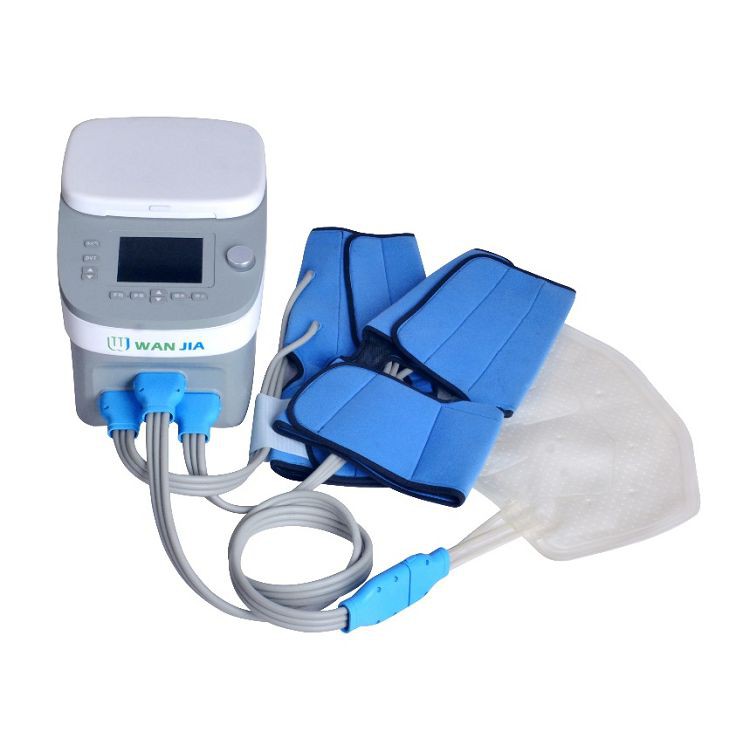
First off, what exactly is a DVT pump? If you're not sure, you can check out this link What Is Cold Therapy Unit DVT. DVT, or deep vein thrombosis, is a condition where blood clots form in the deep veins, usually in the legs. DVT pumps are designed to prevent these clots by applying intermittent compression to the legs, mimicking the natural muscle contractions that help move blood back to the heart.
Now, let's talk about pressure settings. Different DVT pumps have different pressure ranges, and these settings can have a big impact on how effective the device is at preventing DVT.
Low - Pressure DVT Pumps
Some DVT pumps are set at relatively low pressures. These are often used for patients who are more sensitive or have certain medical conditions that require a gentler approach. For example, patients with fragile skin or those who have just had surgery may benefit from a low - pressure DVT pump.
Low - pressure pumps typically have a pressure range of around 20 - 40 mmHg. This lower pressure is still enough to stimulate blood flow but won't cause any discomfort or damage to the patient's legs. These pumps are also great for long - term use, as they are less likely to cause fatigue or irritation.
Medium - Pressure DVT Pumps
Medium - pressure DVT pumps are the most commonly used type. They offer a good balance between effectiveness and comfort. The pressure range for these pumps is usually between 40 - 60 mmHg.
This level of pressure is sufficient to improve blood circulation significantly and reduce the risk of blood clots. It's suitable for a wide range of patients, including those who are at a moderate risk of DVT. Medium - pressure pumps are often used in hospitals, nursing homes, and even for home use. If you're interested in comparing different medium - pressure DVT pumps, check out our DVT Pump Comparison.
High - Pressure DVT Pumps
High - pressure DVT pumps are designed for patients who have a higher risk of DVT or those who need a more intense level of compression. These pumps can have a pressure range of 60 mmHg or more.
Patients who are immobile for long periods, such as those on extended bed rest or after major surgeries, may require a high - pressure DVT pump. The higher pressure helps to push blood through the veins more forcefully, reducing the likelihood of blood pooling and clot formation. However, high - pressure pumps need to be used with caution, as they can cause discomfort or even injury if not used correctly.

Factors Affecting Pressure Settings
Several factors can influence the appropriate pressure setting for a DVT pump.
Patient's Condition: As mentioned earlier, a patient's medical condition plays a crucial role. For example, a patient with poor circulation may need a higher pressure setting, while someone with sensitive skin will require a lower one.
Activity Level: Patients who are more active may be able to tolerate higher pressure settings. On the other hand, those who are mostly sedentary may need a lower pressure to avoid discomfort.
Treatment Goals: The goal of the treatment also matters. If the aim is to prevent DVT in a patient at low risk, a lower pressure setting may be sufficient. But if the patient has already had a DVT or is at high risk, a higher pressure may be necessary.
How to Choose the Right Pressure Setting
Choosing the right pressure setting for a DVT pump is not always straightforward. It's important to consult with a healthcare professional, such as a doctor or a physical therapist. They can assess the patient's condition and recommend the most appropriate pressure setting.
In some cases, the pressure setting may need to be adjusted over time. For example, as a patient's condition improves or changes, the pressure may need to be increased or decreased accordingly.
The Role of DVT Compression Units
DVT compression units, like the ones we offer in our DVT Compression Unit selection, are an important part of the DVT prevention process. These units work in conjunction with the DVT pumps to provide targeted compression to the legs.
The pressure settings on DVT compression units also vary. They are often designed to work in harmony with the DVT pump's pressure setting. For example, if the DVT pump is set at a medium pressure, the compression unit may be adjusted to complement that pressure for optimal blood flow.
Real - World Examples
Let me share a couple of real - world examples to illustrate how pressure settings can vary.
We had a patient who had just undergone knee replacement surgery. The doctor recommended a low - pressure DVT pump initially, as the patient's legs were still tender and recovering. After a few weeks, as the patient's condition improved, the pressure was gradually increased to a medium setting to continue promoting blood circulation.
On the other hand, we had a patient who was bedridden due to a spinal injury. This patient was at a high risk of DVT, so a high - pressure DVT pump was used from the start. The healthcare team closely monitored the patient to ensure that the high pressure was well - tolerated and effective in preventing blood clots.

Conclusion
In conclusion, the pressure setting among DVT pumps can vary widely depending on the patient's condition, activity level, and treatment goals. Whether it's a low - pressure pump for sensitive patients, a medium - pressure pump for general use, or a high - pressure pump for high - risk cases, choosing the right pressure is crucial for effective DVT prevention.
If you're in the market for a DVT pump or need more information about pressure settings, don't hesitate to reach out. We're here to help you make the best choice for your needs. Whether you're a healthcare provider looking to stock up on DVT pumps or an individual seeking a solution for home use, we've got you covered.
So, if you're interested in discussing further, just get in touch with us. We can have a detailed chat about your specific requirements and guide you through the process of selecting the right DVT pump with the appropriate pressure setting.
References
- American Society of Hematology. "Deep Vein Thrombosis (DVT) and Pulmonary Embolism (PE)."
- National Blood Clot Alliance. "Preventing Blood Clots in the Hospital."