




How does a diet high in saturated fats impact the risk of blood clots in legs and prevention?
 Jul 21, 2025|
 A diet high in saturated fats can have a significant impact on the risk of blood clots in the legs, also known as deep vein thrombosis (DVT). As a supplier of PREVENT BLOOD CLOTS LEGS products, I've witnessed firsthand the importance of understanding this relationship to prevent such potentially life - threatening conditions.

The Impact of a High - Saturated - Fat Diet on Blood Clot Risk
Saturated fats are commonly found in animal products such as red meat, butter, and full - fat dairy, as well as some tropical oils like coconut and palm oil. When consumed in excess, these fats can lead to several physiological changes in the body that increase the likelihood of blood clots in the legs.
One of the primary ways saturated fats affect blood clot risk is by altering lipid profiles. High - saturated - fat diets tend to raise levels of low - density lipoprotein (LDL) cholesterol, often referred to as "bad" cholesterol. Elevated LDL cholesterol can cause the formation of atherosclerotic plaques in the blood vessels. These plaques narrow the arteries and veins, impeding normal blood flow. In the legs, where blood has to travel against gravity to return to the heart, the reduced blood flow due to plaque buildup makes it easier for blood to pool and form clots.
Moreover, saturated fats can also influence the body's inflammatory response. Chronic inflammation is a well - recognized risk factor for DVT. When we consume a diet rich in saturated fats, it triggers an inflammatory cascade in the body. Inflammatory markers such as C - reactive protein (CRP) are elevated, and immune cells become more activated. This inflammatory state can damage the endothelial cells that line the blood vessels. Endothelial cells play a crucial role in maintaining blood fluidity and preventing clot formation. Once damaged, they release substances that promote platelet aggregation and the coagulation cascade, increasing the risk of blood clots.
Another aspect is the effect on the blood's viscosity. Saturated fats can make the blood thicker and stickier. The increased viscosity means that the blood moves more slowly through the vessels. In the deep veins of the legs, this sluggish blood flow provides an ideal environment for clot formation. Platelets are more likely to adhere to the vessel walls, and the coagulation factors have more time to interact and form a clot.
Understanding Deep Vein Thrombosis
Deep vein thrombosis occurs when a blood clot forms in one or more of the deep veins, most commonly in the legs. A DVT can range from a small, relatively harmless clot to a large, obstructive one that can cause severe pain, swelling, and in some cases, permanent damage to the veins. If a part of the clot breaks off and travels to the lungs, it can cause a pulmonary embolism, which is a life - threatening condition.
Symptoms of DVT in the legs may include swelling, pain, tenderness, warmth, and redness in the affected area. However, it's important to note that not all DVT cases present with obvious symptoms. Some people may have a silent DVT, where the clot forms without any noticeable signs until a complication such as a pulmonary embolism occurs.
Prevention Strategies
Dietary Modification
The first line of defense against DVT related to a high - saturated - fat diet is to make dietary changes. Reducing the intake of saturated fats and replacing them with healthier fats is essential. Unsaturated fats, such as those found in olive oil, avocados, and fatty fish like salmon, can have a positive impact on lipid profiles and reduce inflammation. Omega - 3 fatty acids, in particular, are known for their anti - inflammatory and blood - thinning properties. They can lower triglyceride levels, reduce platelet aggregation, and improve blood flow, thereby decreasing the risk of blood clots.
Increasing the consumption of fruits, vegetables, and whole grains is also crucial. These foods are rich in antioxidants, fiber, and other nutrients that help combat inflammation and support overall vascular health. Fiber can bind to cholesterol in the digestive tract, preventing its absorption and helping to lower LDL cholesterol levels.
Lifestyle Changes
Regular physical activity is vital for preventing DVT. Exercise helps improve blood circulation throughout the body, including in the legs. Simple activities like walking, cycling, or swimming can stimulate the calf muscles, which act as a natural pump to move blood back to the heart. Sitting or standing for long periods should be avoided. If you have a job that requires long hours of sitting, make sure to take breaks every hour to stretch your legs and walk around.
Maintaining a healthy weight is another important factor. Obesity is a risk factor for DVT, and a diet high in saturated fats often contributes to weight gain. By losing excess weight through a combination of diet and exercise, the pressure on the veins in the legs is reduced, and blood flow is improved.
Medical Interventions
For individuals at high risk of DVT, medical interventions may be necessary. Compression stockings are commonly used. These stockings apply pressure to the legs, helping to improve blood flow and prevent blood from pooling. They come in different levels of compression and can be prescribed by a healthcare provider based on the individual's risk profile.
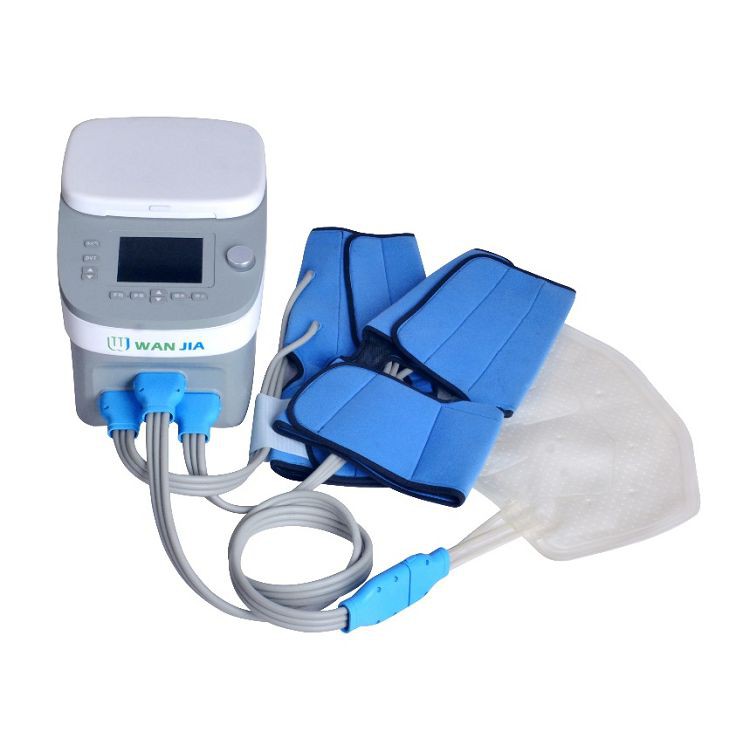
There are also devices available that can assist in preventing DVT. For example, the Cooljet Cold Therapy Unit DVT is designed to use cold therapy to reduce swelling and improve blood circulation in the legs. Cold therapy can constrict blood vessels, reducing inflammation and promoting better blood flow.
The DVT Prevention Unit is another option. This device typically uses intermittent pneumatic compression to mimic the action of the calf muscles. It inflates and deflates around the legs, helping to move blood through the veins and prevent clot formation.
If you're interested in comparing different DVT prevention pumps, the DVT Pump Comparison resource can provide valuable information to make an informed decision.
Conclusion
A diet high in saturated fats poses a significant risk for blood clots in the legs. By understanding the mechanisms through which saturated fats increase DVT risk, we can take proactive steps to prevent it. Dietary modifications, lifestyle changes, and the use of appropriate medical devices are all important components of a comprehensive prevention strategy.
As a supplier of PREVENT BLOOD CLOTS LEGS products, we are committed to providing high - quality solutions to help individuals reduce their risk of DVT. If you're interested in learning more about our products or have any questions regarding DVT prevention, we encourage you to reach out for a procurement discussion. We believe that by working together, we can make a difference in preventing DVT and improving the health of individuals.
References
- Mozaffarian D, Wu JH. Dietary fats and cardiovascular disease: a primer. Circulation Research. 2011;109(6):746 - 759.
- Cushman M, Tsai MY, Manolio TA, et al. Inflammation and hemostatic factors and risk of incident deep vein thrombosis. JAMA. 2004;292(13):1632 - 1639.
- Ridker PM, Cushman M, Stampfer MJ, et al. Inflammation, aspirin, and the risk of cardiovascular disease in apparently healthy men. The New England Journal of Medicine. 1997;336(14):973 - 979.
- Heit JA. The epidemiology of venous thromboembolism in the community. Arteriosclerosis, Thrombosis, and Vascular Biology. 2008;28(3):370 - 376.