




Can a DVT Prevention Unit be used on patients with a pulmonary embolism history?
 Jun 26, 2025|
 Can a DVT Prevention Unit be used on patients with a pulmonary embolism history?
As a supplier of DVT Prevention Units, I often receive inquiries from medical professionals and patients alike about the suitability of our devices for various patient populations. One question that comes up frequently is whether a DVT Prevention Unit can be used on patients with a history of pulmonary embolism. In this blog post, I will explore this topic in detail and provide some insights based on scientific evidence and clinical experience.

Understanding DVT and Pulmonary Embolism
Deep vein thrombosis (DVT) is a condition in which a blood clot forms in a deep vein, usually in the legs. This can cause pain, swelling, and redness in the affected area. If the clot breaks loose and travels through the bloodstream, it can block a blood vessel in the lungs, leading to a pulmonary embolism (PE). PE is a serious and potentially life-threatening condition that requires immediate medical attention.
The Role of DVT Prevention Units
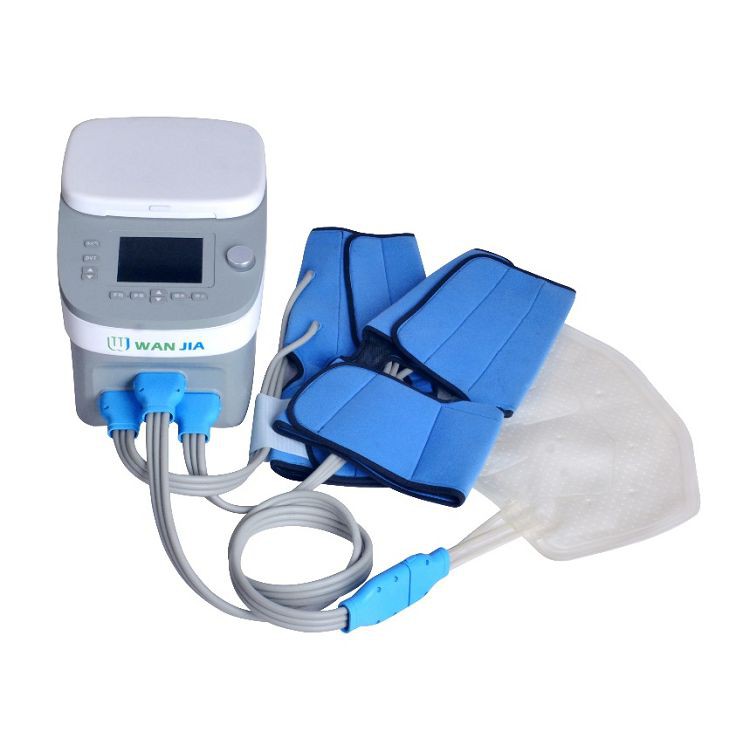
DVT Prevention Units are devices designed to prevent the formation of blood clots in the deep veins of the legs. They work by applying intermittent compression to the legs, which helps to improve blood flow and reduce the risk of clot formation. These devices are commonly used in hospitals, long-term care facilities, and home settings for patients who are at risk of DVT, such as those who are bedridden, have had surgery, or have a history of DVT or PE.
Can a DVT Prevention Unit be Used on Patients with a Pulmonary Embolism History?
The short answer is yes, a DVT Prevention Unit can be used on patients with a history of pulmonary embolism. In fact, these patients are at a higher risk of developing another DVT or PE, and using a DVT Prevention Unit can help to reduce this risk. However, it is important to note that the use of a DVT Prevention Unit should be based on a thorough assessment of the patient's individual risk factors and medical history.
Factors to Consider
Before using a DVT Prevention Unit on a patient with a history of pulmonary embolism, the following factors should be considered:
- Current Medical Condition: The patient's current medical condition, including any underlying health problems, should be evaluated to determine if they are suitable for using a DVT Prevention Unit. For example, patients with severe peripheral artery disease or skin conditions may not be able to tolerate the compression provided by the device.
- Risk of Bleeding: Patients with a history of pulmonary embolism may be taking anticoagulant medications to prevent further blood clots. These medications can increase the risk of bleeding, and the use of a DVT Prevention Unit may need to be adjusted or avoided in some cases.
- Patient Comfort: The patient's comfort and tolerance of the DVT Prevention Unit should be considered. Some patients may find the compression provided by the device to be uncomfortable or painful, and alternative methods of DVT prevention may need to be considered.
Benefits of Using a DVT Prevention Unit
Despite the potential risks, there are several benefits to using a DVT Prevention Unit on patients with a history of pulmonary embolism. These include:
- Reduced Risk of DVT and PE: Using a DVT Prevention Unit can help to reduce the risk of developing another DVT or PE in patients with a history of these conditions. This can improve the patient's overall health and reduce the risk of complications.
- Improved Blood Flow: The intermittent compression provided by the DVT Prevention Unit helps to improve blood flow in the legs, which can reduce swelling and pain. This can also help to prevent the development of other complications, such as post-thrombotic syndrome.
- Non-Invasive and Easy to Use: DVT Prevention Units are non-invasive and easy to use, making them a convenient option for patients who are at risk of DVT or PE. They can be used in a variety of settings, including hospitals, long-term care facilities, and home settings.
Choosing the Right DVT Prevention Unit
When choosing a DVT Prevention Unit for a patient with a history of pulmonary embolism, it is important to consider the following factors:
- Type of Device: There are several types of DVT Prevention Units available, including sequential compression devices (SCDs), intermittent pneumatic compression devices (IPCDs), and graduated compression stockings. The type of device that is most suitable for the patient will depend on their individual needs and preferences.
- Size and Fit: The DVT Prevention Unit should be the right size and fit for the patient's legs. A device that is too small or too large may not provide effective compression, and may also be uncomfortable for the patient.
- Features and Functionality: Some DVT Prevention Units have additional features and functionality, such as adjustable compression levels, multiple treatment modes, and built-in alarms. These features can provide added convenience and safety for the patient.
Resources for Further Information
If you are interested in learning more about DVT Prevention Units and their use in patients with a history of pulmonary embolism, the following resources may be helpful:
- What Is Cold Therapy Unit DVT: This webpage provides an overview of cold therapy units for DVT prevention, including how they work and their benefits.
- Deep Vein Thrombosis Unit: This webpage provides detailed information about deep vein thrombosis units, including their features, functionality, and clinical applications.
- DVT Pump Comparison: This webpage provides a comparison of different DVT pumps, including their features, performance, and price.
Conclusion
In conclusion, a DVT Prevention Unit can be used on patients with a history of pulmonary embolism to reduce the risk of developing another DVT or PE. However, the use of these devices should be based on a thorough assessment of the patient's individual risk factors and medical history. By choosing the right DVT Prevention Unit and following the manufacturer's instructions, patients with a history of pulmonary embolism can benefit from the improved blood flow and reduced risk of clot formation provided by these devices.
If you are interested in learning more about our DVT Prevention Units or would like to discuss your specific needs, please contact us to start a procurement discussion. We are committed to providing high-quality products and excellent customer service to help you meet the needs of your patients.
References
- Geerts WH, Bergqvist D, Pineo GF, et al. Prevention of venous thromboembolism: American College of Chest Physicians Evidence-Based Clinical Practice Guidelines (8th Edition). Chest. 2008;133(6 Suppl):381S-453S.
- Kearon C, Akl EA, Comerota AJ, et al. Antithrombotic Therapy for VTE Disease: Antithrombotic Therapy and Prevention of Thrombosis, 9th ed: American College of Chest Physicians Evidence-Based Clinical Practice Guidelines. Chest. 2012;141(2 Suppl):e419S-e494S.
- Prandoni P, Lensing AW, Cogo A, et al. The long-term clinical course of acute deep venous thrombosis. Ann Intern Med. 1996;125(1):1-7.